



Registries are the perfect tool to capture real-world patient data over a long period of time to understand long-term trends in specific populations and learn the natural history of patient progress on a medication or standard of care. The results can inform payers on the value of a treatment option based on the generated real-world evidence.
Rare disease studies target narrow, highly specific populations and rely heavily on diagnosis. CENTOGENE is uniquely positioned to support RWE studies through the establishment of registries.

>1 million
patients from over 120 countries

>30,000
active physicians in our network

>2,500
rare diseases characterized by multiomic and phenomic data
>70 million
unique variants fueled by our diagnostic services

>70%
of individuals of non-European descent
>1 million
HPO terms
Partners can leverage the CENTOGENE Biodatabank and multiomic and medical expertise to accelerate the development and execution of their RWE studies. Our existing infrastructure of in-house studies (ROPAD for Parkinson’s disease, TRAMmoniTTR for hereditary transthyretin amyloidosis, EFRONT for frontotemporal dementia, and others), can form the basis of registries. We provide a wide spectrum of services ranging from study design support, diagnostics capabilities, site and patient identification, and with the support of local CRO partners, cost-effective, tailor-made execution of the studies.
Experience shows that CENTOGENE support can accelerate patient recruitment, and reduce the overall study execution period, ultimately improving the financials of a study.


ROPAD is an international, multicenter, epidemiological, observational study with the goal to investigate the genetic background of Parkinson’s patients.

EFRONT is a single visit, multi-centre, non-interventional study that investigates the prevalence of genetic etiologies in Frontotemporal dementia (FTD) by genotyping patients diagnosed/ suspected of FTD.
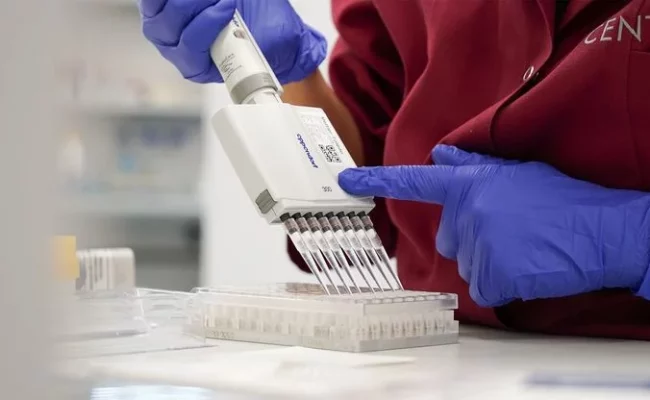
At CENTOGENE, we are committed to enabling the cure of 100 rare diseases within 10 years – working alongside over 30 partners via patient identification, clinical trial support, and drug discovery R&D collaborations.
Mon. – Fri. 7 a.m. – 6:30 p.m. CET
Sat. 8 a.m. – 12 p.m. CET
Request a service
We aim to reply within 48 hours

