




Endometrial microbiome testing to support personalized fertility care.
CentoBiome is a minimally invasive molecular test that detects clinically relevant microorganisms in endometrial fluid, providing actionable information to support personalized reproductive care.
Growing evidence suggests that alterations of the endometrial microbiome may contribute to implantation failure, recurrent pregnancy loss and other adverse reproductive outcomes1,2
1. Moreno et al., Am J Obstet Gynecol (2016). 2. Moreno, García-Grau et al., Microbiome (2022).
CentoBiome provides clinically relevant microbiological information to complement the evaluation of the endometrial factor and support individualized reproductive management. This test is especially indicated for adult women undergoing assessment in reproductive medicine, particularly those with:

Recurrent implantation
failure (RIF)
Recurrent pregnancy
loss (RPL)
Prior pregnancies with intrauterine infection
Suspected endometrial
dysbiosis or chronic
endometritis
Limited embryo
number available
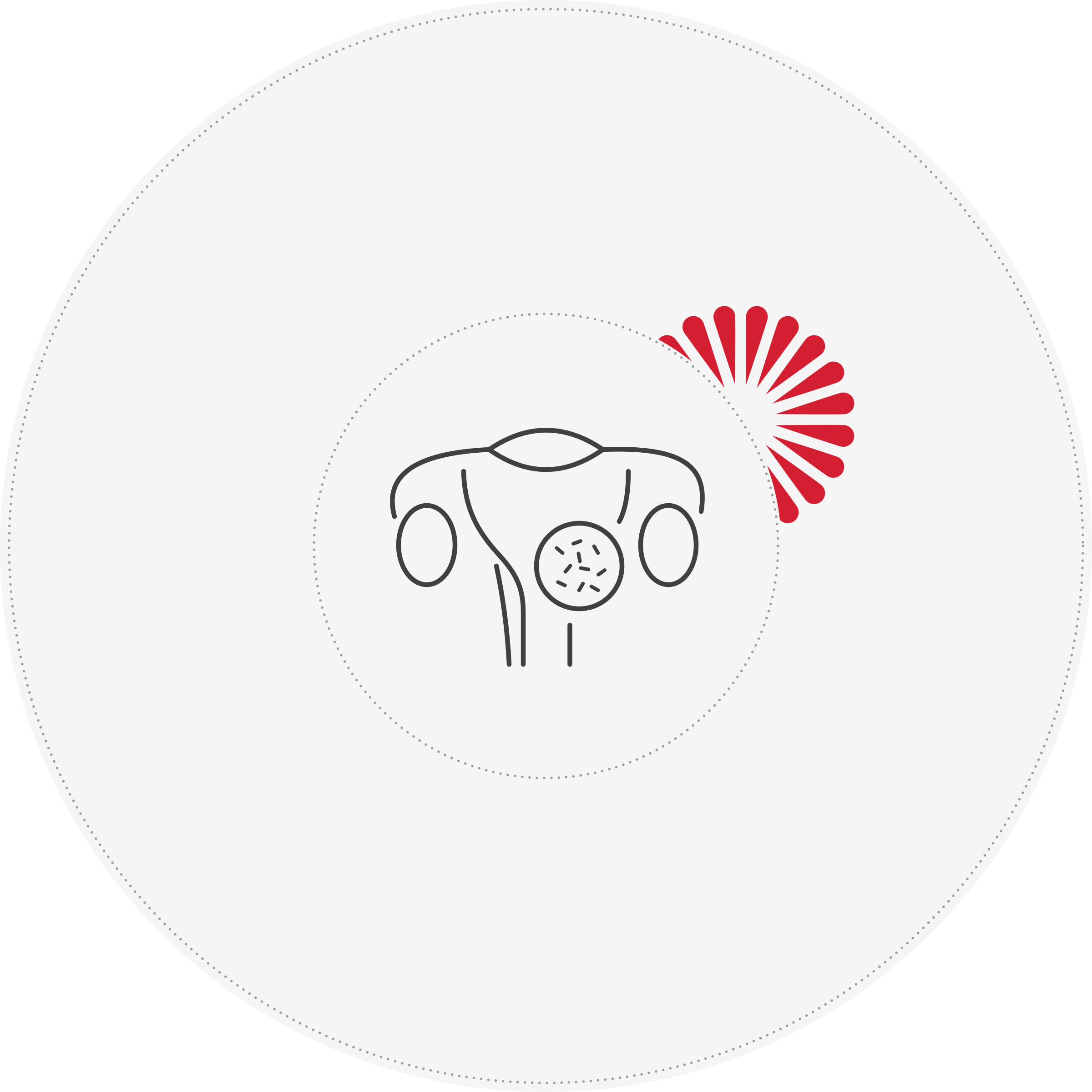

By aspirating approximately 50 μL of endometrial fluid using an embryo transfer catheter, minimizing patient discomfort and disruption to the uterine environment.

During the secretory phase, when the endometrial microbiota is most stable and the endometrium is naturally receptive to embryo implantation.
CentoBiome provides standardized, clinically interpretable results to improve women’s reproductive healthcare.

Sample collection for a greater patient comfort
Detection at species level

Room temperature workflow

Clinical report with actionable information

Results in 7 business days
*Please note that this may vary by country. Kindly confirm the applicable requirements with your local team.
Comprehensive profiling of clinically relevant microorganisms, including those associated with endometrial dysbiosis, chronic endometritis, sexually transmitted infections, and beneficial Lactobacillus species.

Lactobacillus-dominated profile consistent with endometrial microbial balance; no microbiological intervention is indicated.

Low bacterial abundance with no evidence of microbial dysbiosis; probiotic strategies may be considered depending on the clinical context.

Predominance of potentially pathogenic microorganisms, consistent with altered endometrial microbial balance; personalized management may include targeted antimicrobial therapy and/or probiotics according to clinical judgment.
CentoBiome is an in vitro diagnostic medical device manufactured and used exclusively in the laboratory of CENTOGENE Spain S.L.U. (Paterna, Valencia, Spain) under Article 5(5) of Regulation (EU) 2017/746 (in-house device, IH-IVD). It is not placed on the market as a stand-alone product.
CentoBiome looks at the balance of microorganisms in your uterus. Research suggests that changes in this balance may play a role in difficulties with embryo implantation and in pregnancy loss. Your doctor may recommend the test if you are trying to conceive, particularly if you have had recurrent implantation failures, repeated pregnancy losses or previous intrauterine infections, or if you have a limited number of embryos available.
The sample is collected in the second half of your menstrual cycle (the secretory phase). At this point the microorganisms in your uterus are most stable, and your uterus is naturally prepared to receive an embryo. Your doctor will plan the right timing with you.
Only a very small amount of fluid from inside your uterus is needed, about 50 µl. Your doctor collects it gently during a clinic visit, using a thin, flexible catheter like the one used for embryo transfer. No tissue sample is taken.
Results are typically available within 7 business days after the laboratory receives your sample. Please note that this may vary by country. Kindly confirm the applicable requirements with your local team.
Your result will fall into one of three categories:
The report goes to your doctor, who will explain what it means for you.
CentoBiome is an in vitro diagnostic medical device manufactured and used exclusively in the laboratory of CENTOGENE Spain S.L.U. (Paterna, Valencia, Spain) under Article 5(5) of Regulation (EU) 2017/746 (in-house device, IH-IVD). It is not placed on the market as a stand-alone product.
Your doctor will discuss whether any treatment is right for you, based on your result and your medical history. Depending on the situation, options may include targeted treatment and/or probiotics.
Your fertility specialist, who ordered the test, will review the results with you and recommend next steps.
Ask your fertility specialist. Clinics can order the test through the CENTOGENE IVF ordering portal selected by region.
Our findings indicate that endometrial microbiota composition before embryo transfer is a useful biomarker to predict reproductive outcome.
Molecular microbiology improves the detection of endometrial microorganisms compared with classic diagnostic methods.
Existence of an endometrial microbiota that is highly stable during the acquisition of endometrial receptivity.

