


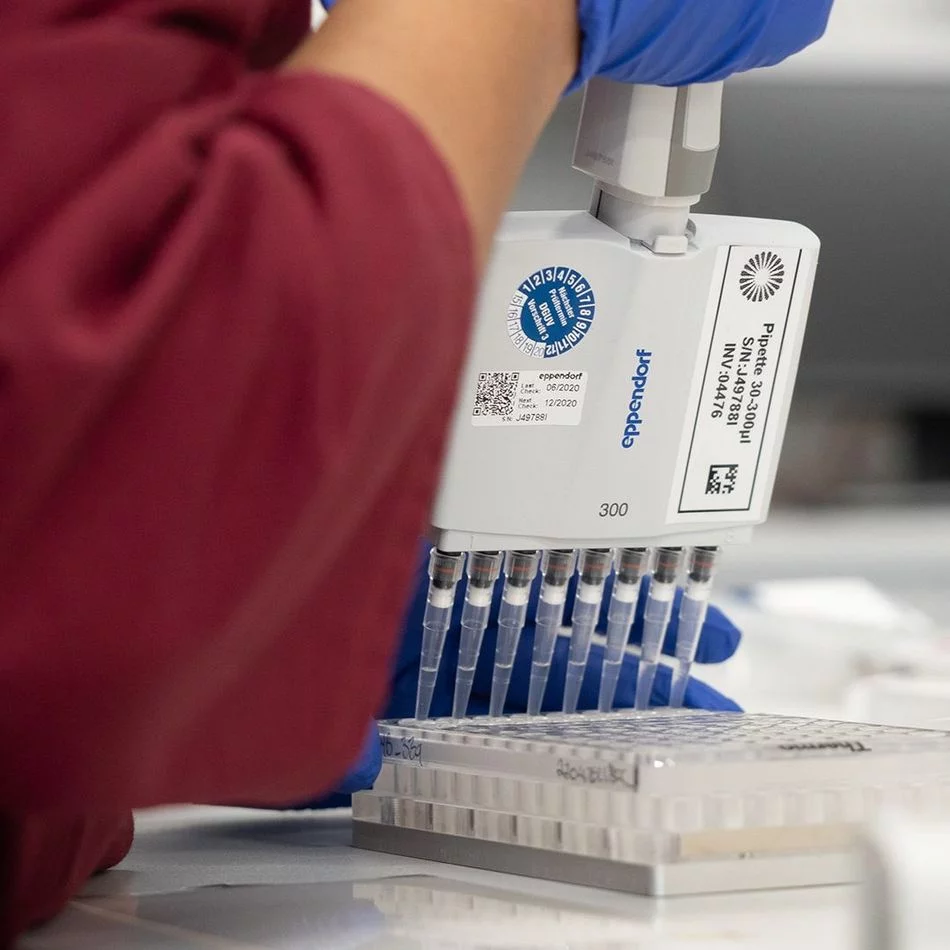
Niemann-Pick disease type C (NPC) is a slow-progressing disorder in which the primary hallmark is accumulation of lipids in lysosomes. Symptoms are age dependent. Clinical signs during infancy are limited to the viscera, with hepatosplenomegaly, jaundice, and (in some instances) pulmonary infiltrates. Beyond late infancy, neurological symptoms begin to manifest. Classic presentation occurs in mid-to-late childhood with onset of ataxia, vertical supranuclear gaze palsy, and dementia. Dystonia and seizures are common features. Adults are likely to present with dementia or psychiatric symptoms.
Most NPC1 cases involve compound heterozygotes of single-nucleotide variants.12 So far, over 511 variants have been described in NPC1 that cause Niemann Pick disease type C, and over 27 different variants in NPC2. 3
Pharma
CENTOGENE is working together with partners to identify lead compounds and drug targets quickly and de-risk orphan drug development.
Learn more about our partners
Patients
CENTOGENE only provides genetic testing ordered by a doctor. Results from genetic testing can have a profound impact on your life. We strongly recommend that you seek genetic counseling. Counselors can advise you and your family on whether to take a genetic test. They can also help you understand your genetic test results and their implications.
The following question and answer form can support discussions with your doctor about genetic testing:
What to ask your doctor1Park, Walter D et al. “Identification of 58 novel mutations in Niemann-Pick disease type C: correlation with biochemical phenotype and importance of PTC1-like domains in NPC1.” Human mutation vol. 22,4 (2003): 313-25. doi:10.1002/humu.10255
2Millat, Gilles et al. “Niemann-Pick C disease: use of denaturing high performance liquid chromatography for the detection of NPC1 and NPC2 genetic variations and impact on management of patients and families.” Molecular genetics and metabolism vol. 86,1-2 (2005): 220-32. doi:10.1016/j.ymgme.2005.07.007
3Chikh, Karim et al. “Niemann-Pick type C disease: subcellular location and functional characterization of NPC2 proteins with naturally occurring missense mutations.” Human mutation vol. 26,1 (2005): 20-8. doi:10.1002/humu.20173
Our global network of customer support and experts guiding you every step of the way.
Send us a messageRegional Support
